
saved only in this browser for a year
Sustainability
for nature and people.
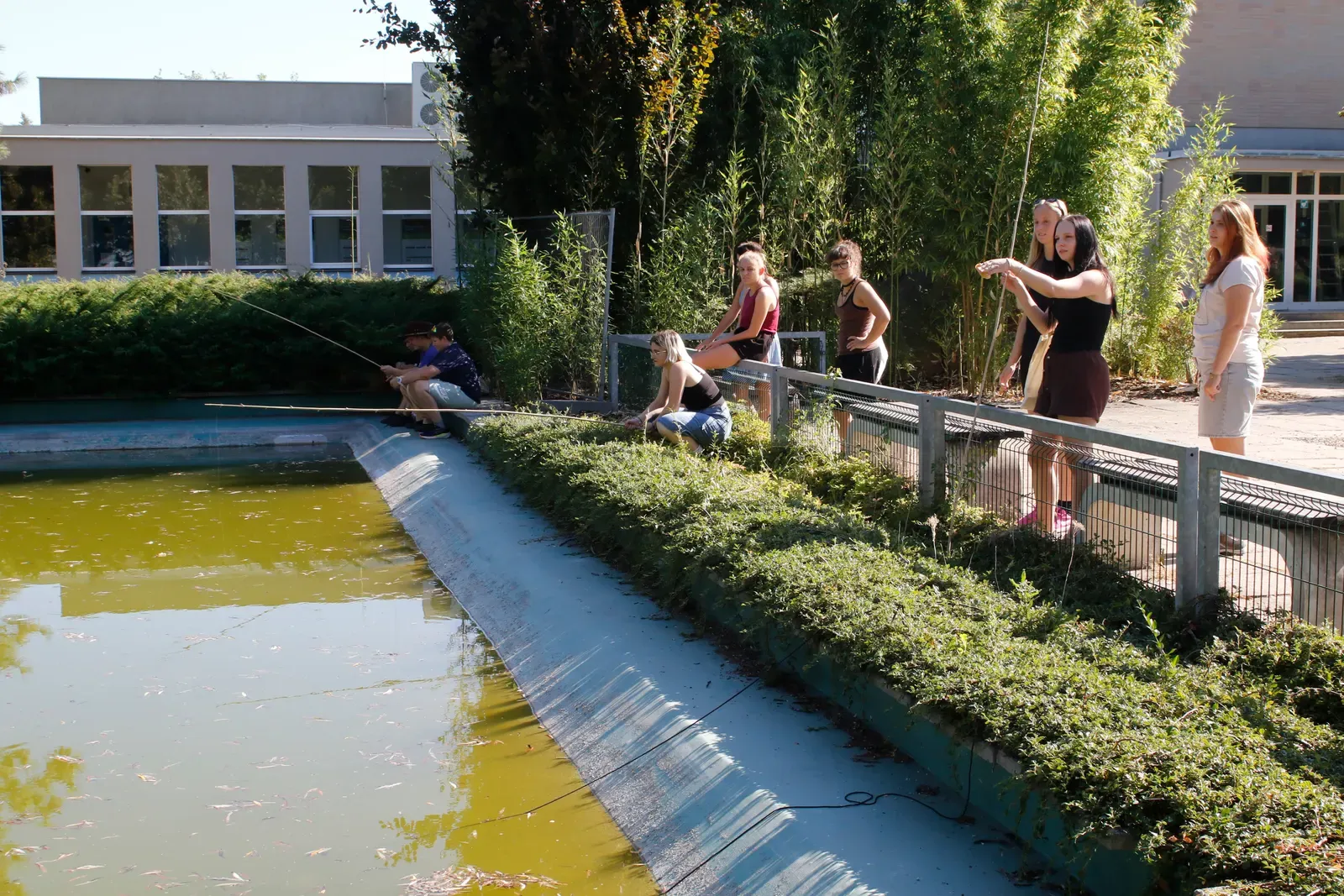
Soil, water and the use of natural resources for food production.
A three-year bachelor's programme at CZU Prague, taught entirely in English.
Key facts
- Length
- 3 years · Bc.
- Form
- Full-time
- Language
- English
Prague-Suchdol Kamýcká 129, Prague 6
Nothing beats real experience
What is it really like?
A student and a graduate describe their studies. Quotes from the programme profile on the faculty website, published with consent.
Want to change life on Earth?
Play video ↗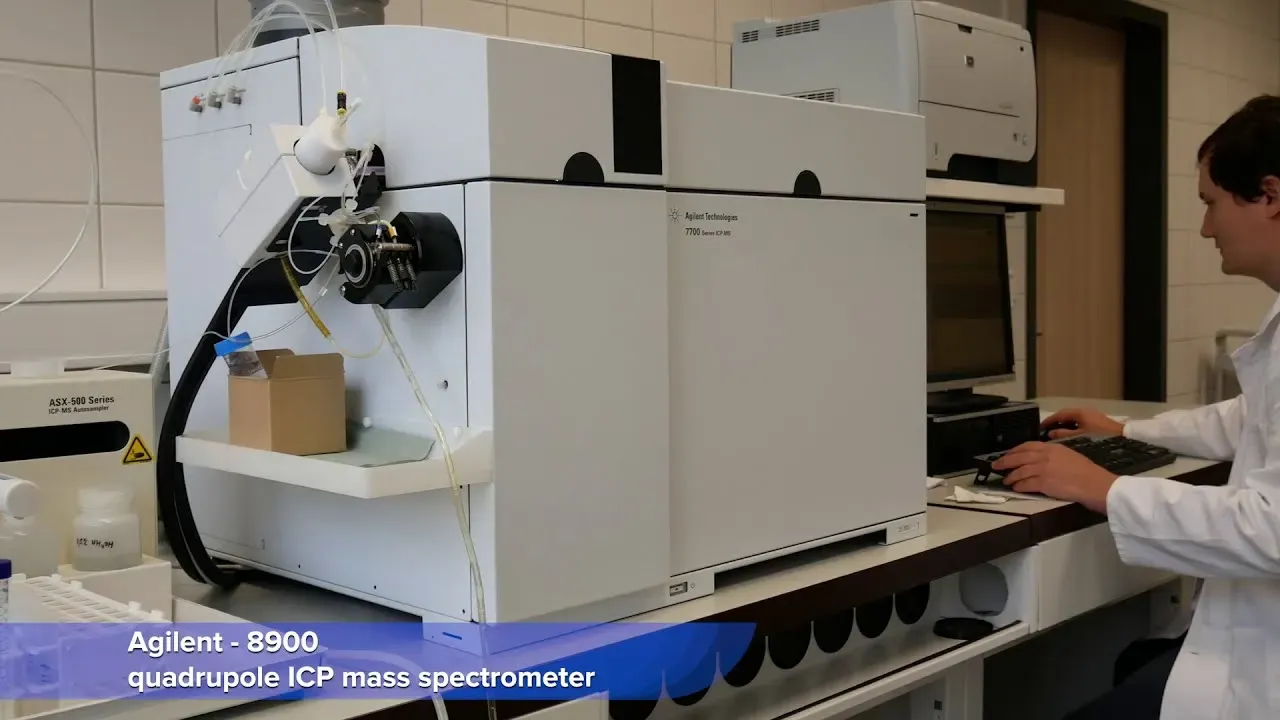
Research at the faculty
Play video ↗
Study in Prague
Play video ↗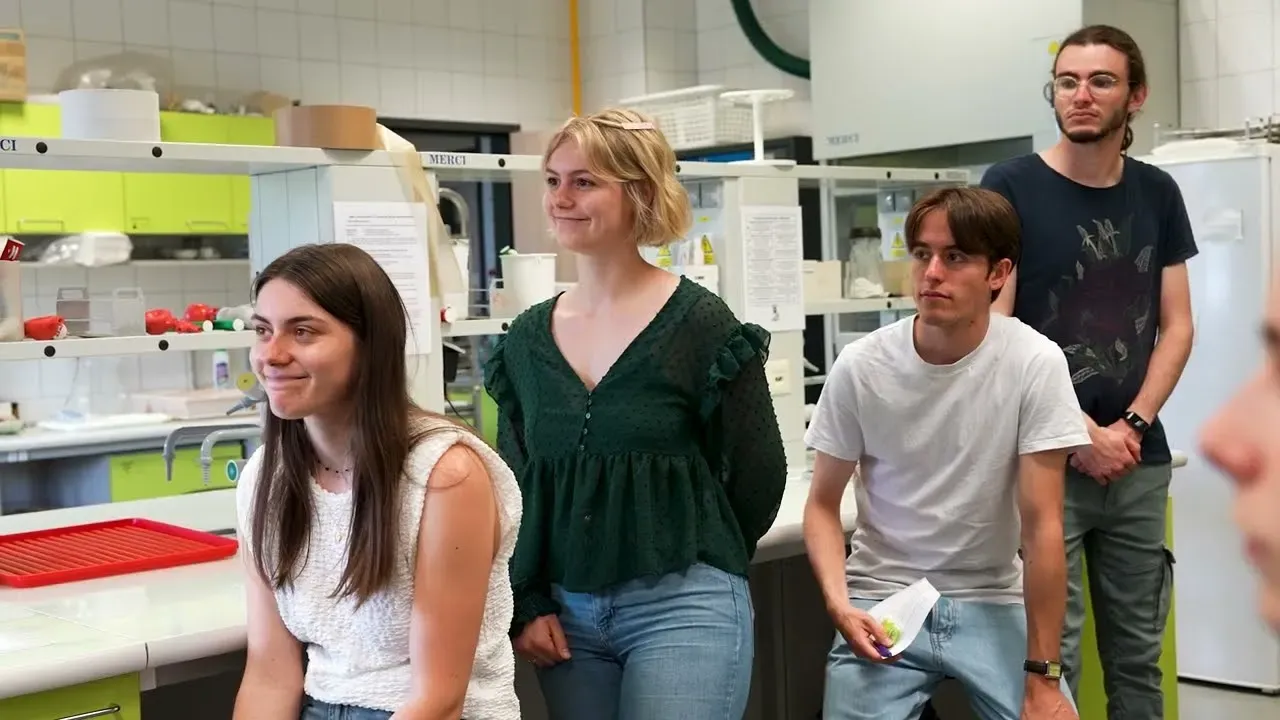
Hands on Science 2024
Play video ↗Study experiences
“Studying in Prague has been an excellent decision. The programme is led by supportive professors, provides diverse and engaging coursework, and offers many opportunities for international mobility through Erasmus and internships. I am currently writing my bachelor’s thesis in landscape architecture, a field I did not expect to pursue but discovered through this programme.”
 Julia Lundystudent from Canada
“For me, the best thing at CZU is its campus; it is vast, modern and it always keeps me in the right student mood. […] I would have never imagined that bacteria in soil would be my topic, but the experience made me realise that soil is my favourite natural resource. At the end, I even received a grant for my work.”
 Arian Majidgraduate from the Czech Republic
Opinions from the programme profile on af.czu.cz, shortened.
Courses and practice
What do three years of study look like?
This is how the courses follow each other in the published 2026/2027 study plan. The plan may change for the year you start.
You build the foundations.
Chemistry, soil, geology, microbiology and cartography.
Year 1You learn to read the landscape.
GIS, remote sensing, soil protection and specialised training.
Year 2You connect resources and management.
Crop technology, hydrology, waste handling and the bachelor thesis.
Year 3
- Compulsory courses
- 24
- Chemistry and maths
- 12 %16 of 130 credits
- Training
- 25 daysspecialised training outside the classroom
All courses and credits
Study plan 2026/2027. Open the year you are interested in. The numbers next to the courses are credits. Click a course to see its description.
Year 1 · Science foundations
Winter semester
- Applied CartographyThe aim of the course is to provide basic information about development of cartographic methods5 credits
- Methods of Calculation5 credits
- Fundamentals of GeologyThe objective of this course is to introduce students to the principals of geology - the nature of the Earth…5 credits
- Inorganic and Analytical ChemistryThe goal of this subject is to enlarge basic knowledge from the grammar school in General, Inorganic and…5 credits
- Start up module1 credits
Summer semester
- Excursion - Geology and Soil3 credits
- General MicrobiologyThe aim of the subject is to explain the function of microorganisms in the environment, the influence of…5 credits
- Organic ChemistryThe aim of the subject is acquisition of knowledge about structure, properties and types of reactions of…5 credits
- Principles of AgroecologyThe main aim of the study is to understand complex processes in agroecosystems on a high hierarchical level…5 credits
- Soil ScienceThe course gives knowledge on the role of the soil in ecosystem, on basic soil-forming processes5 credits
- Statistics6 credits
Whole year
Year 2 · Data, soil and practice
Winter semester
- Agricultural SystemsStudents will learn about system attributes of agricultural production5 credits
- Basic Meteorology and ClimatologyThe course explains basic processes in the atmosphere, origin, role and depletion of the ozone layer, the…5 credits
- Geographic Information Systems I.GIS course makes students acquainted with Geographical information systems and possibilities of their…6 credits
Summer semester
- Animal Production and EnvironmentThe aim of the subject is to obtain knowledge in biological, economical, and environmental principles of…5 credits
- BSc. Thesis IThe students develop their bachelor thesis in accordance with the instructions given by thesis submission form4 credits
- Excursion - Soil Protection and Conservation3 credits
- GIS IIThe GIS II (taught in English) course perfects skills in the field of GIS5 credits
- Introduction to Soil Conservation and ProtectionThe course gives knowledge on the role of the soil in ecosystem, on basic soil-forming processes5 credits
- Plant Production and EnvironmentThe aim of subject is characterization of agriculture and position of plant production in the czech, european…5 credits
- Remote Sensing I6 credits
- Specialised Training8 credits
Year 3 · Resources and bachelor thesis
Winter semester
- Field Crop TechnologyTo characterize basic aspects of growing technologies of selected field crops5 credits
- Hydrology and HydrogeologyThe subject explains basic concepts, hydrological and hydrogeological conditions and processes in nature,…6 credits
- Waste HandlingSubject provides the basic overview about waste and waste management5 credits
Summer semester
Whole year
Based on the 2026/2027 study plan. Compulsory courses add up to 146 credits, with electives (37) you reach 183. Programme guarantor: doc. Ing. Vít Penížek, Ph.D. Check the plan for the 2027/2028 intake with the faculty. Open the source plan (PDF) ↗
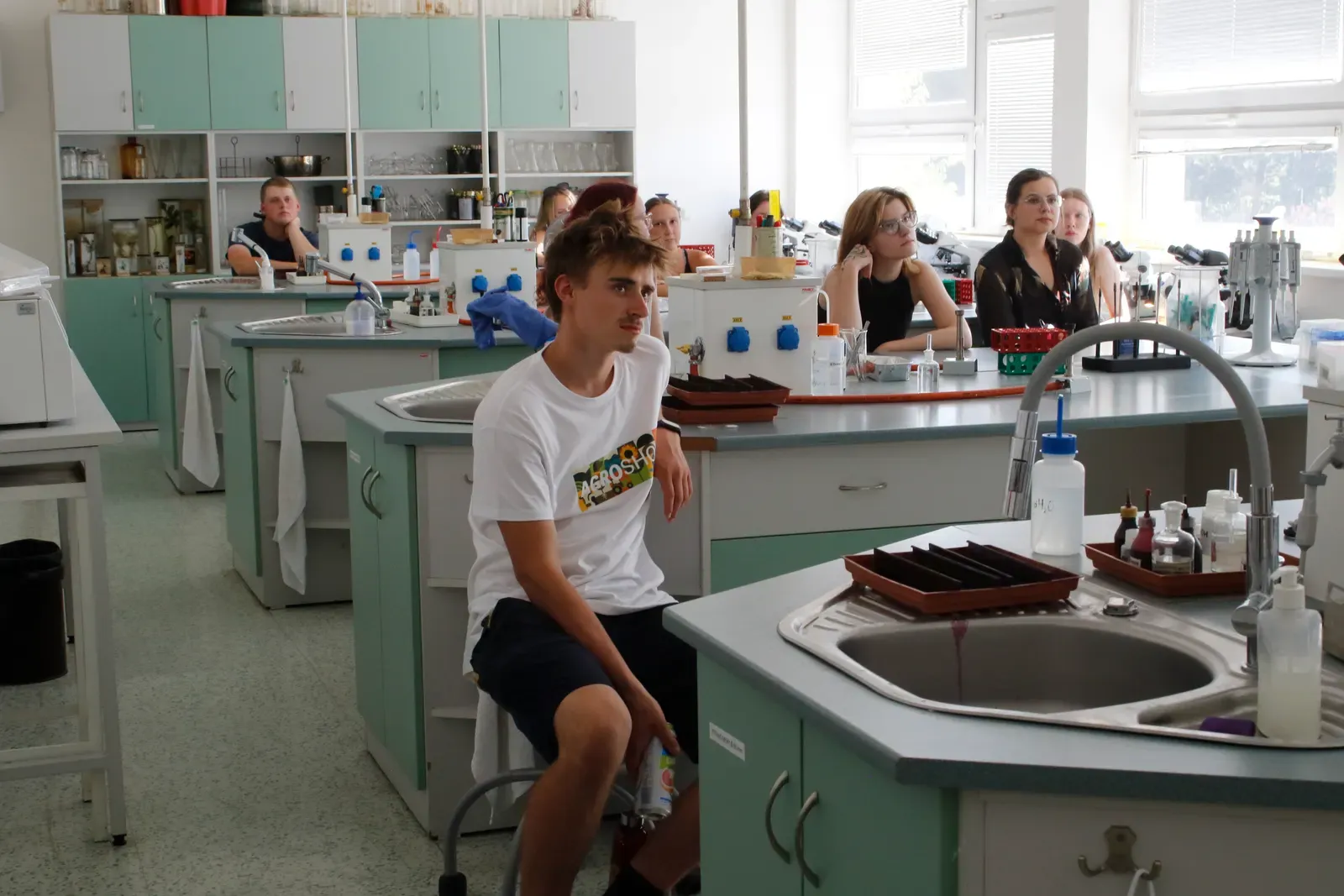
Specialised Training
25days
Specialised training
in your second year.
According to the 2026/2027 plan, you complete 25 days of Specialised Training in the summer semester of the second year. Field excursions add to it: geology and soil (3 days), soil protection and conservation (3 days) and field training (2 days).
Careers and further study
Where can the programme take you?
After graduation, you can continue with a master’s programme or find employment in public administration, consultancy or research.
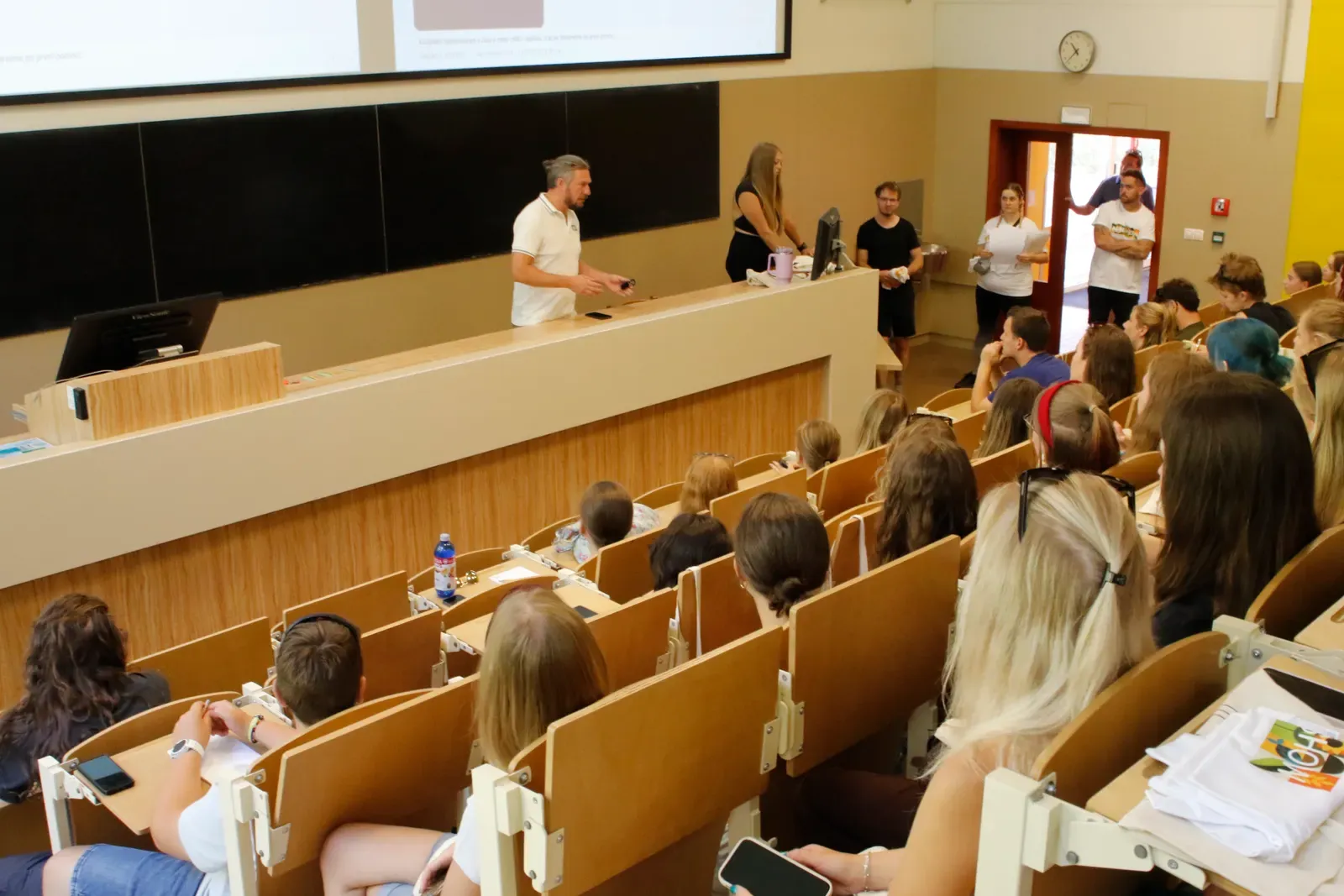
Master’s study
Continue with the master’s programme Natural Resources and Environment or Natural Resources Management and Ecological Engineering.
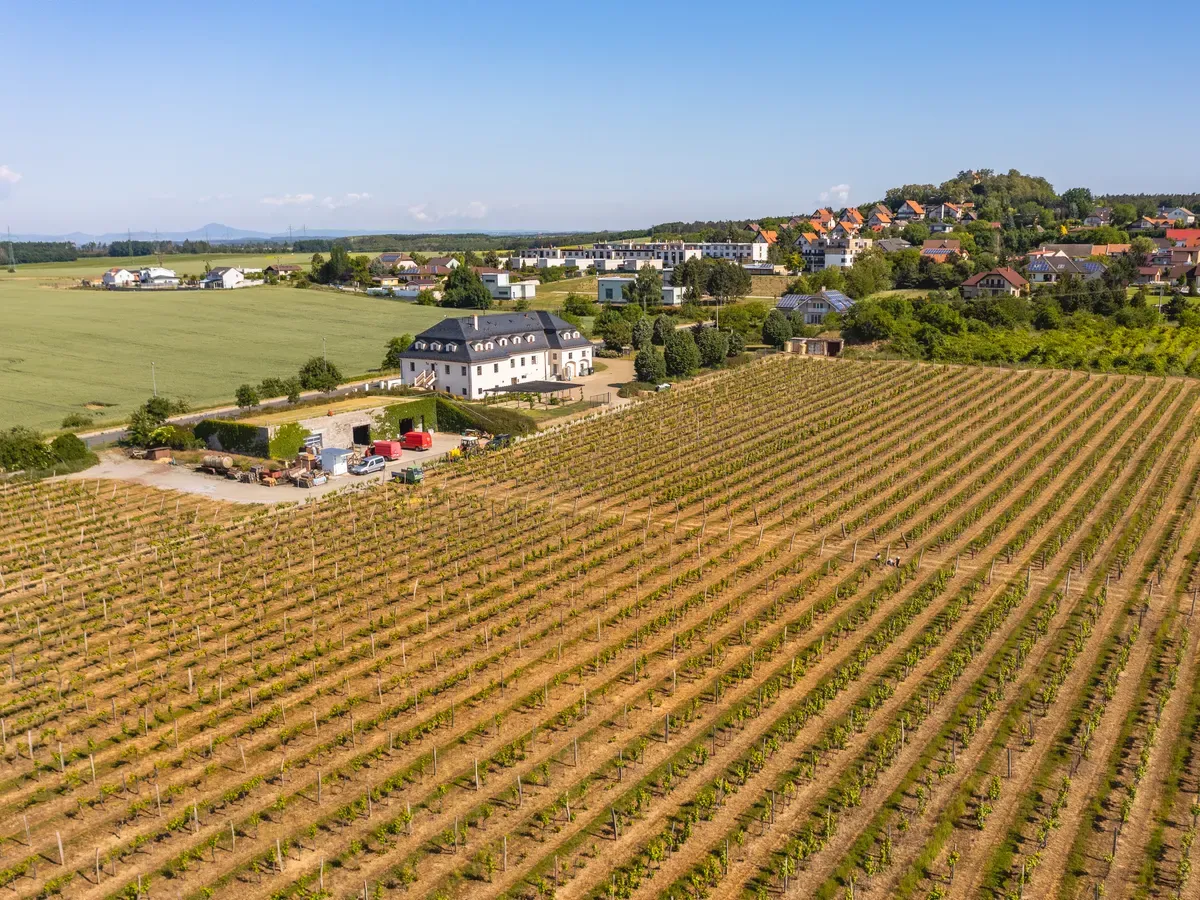
Public administration
Work as a civil servant for local governments or ministries of agriculture or environment.
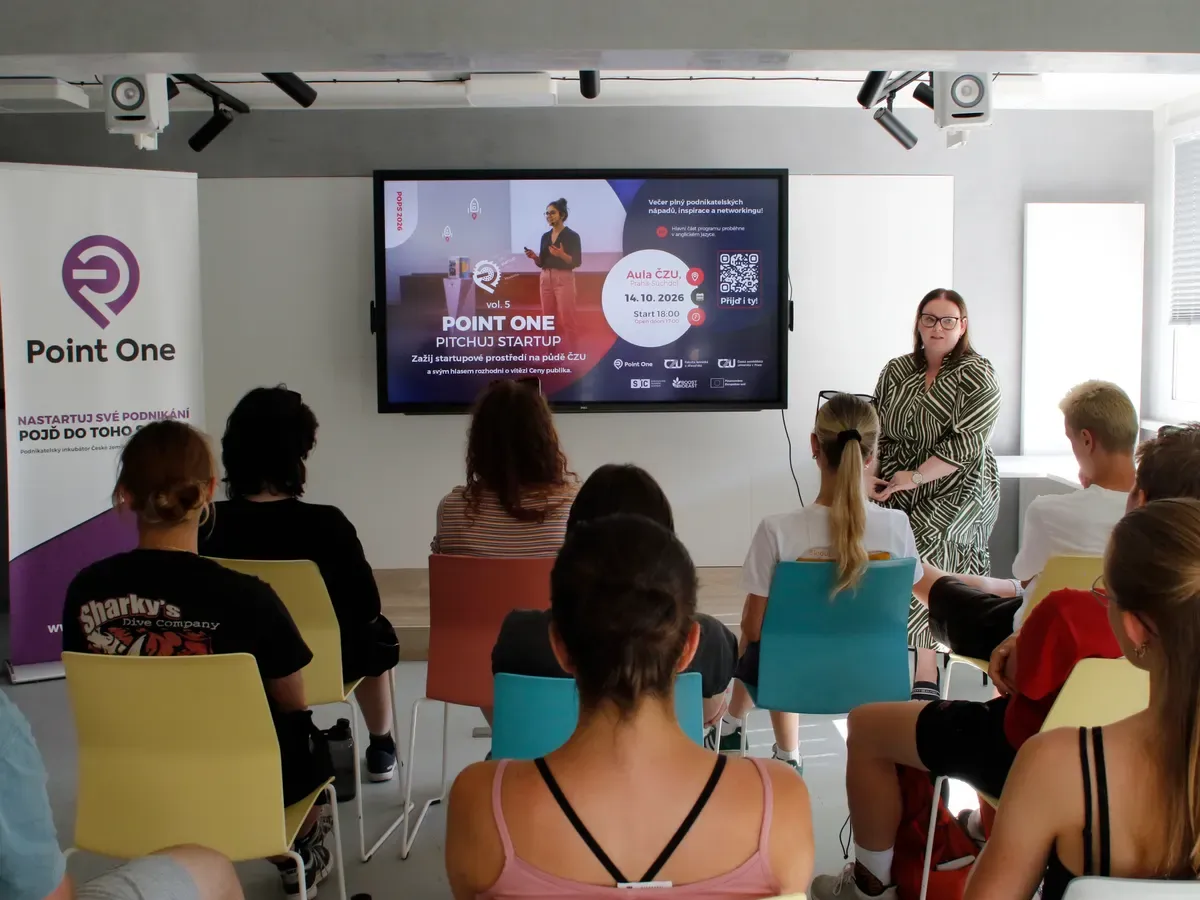
Consultancy
Work as a consultant in the private sector or in NGOs focused on natural resources management, mainly soil, water and waste.
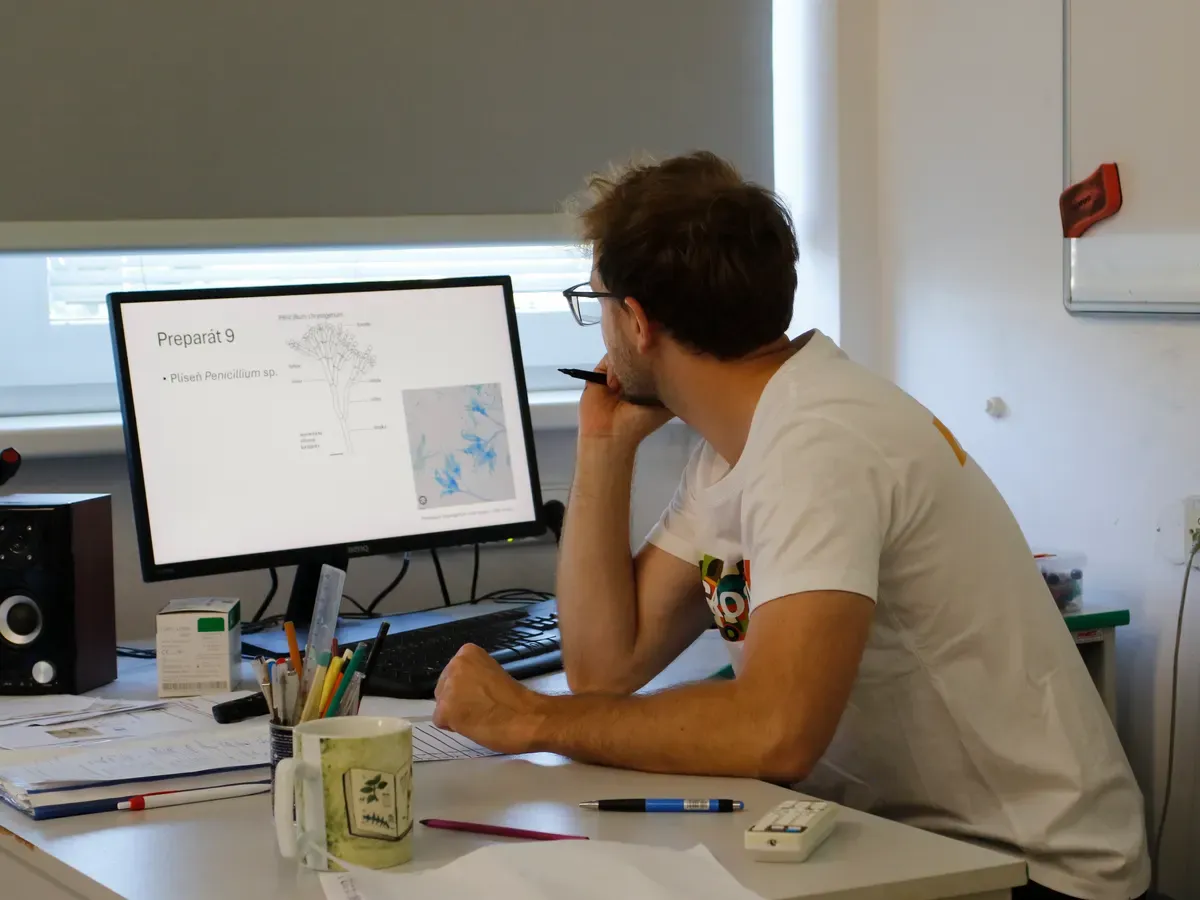
Research
Start your career as a junior researcher.
Taught in English
Courses and credits
The whole programme is taught in English. All courses are listed in the study plans of the English-taught programmes 2026/2027.
Study plans 2026/2027 (PDF) ↗Housing, facilities and Prague
What about life outside class?
The campus in Prague-Suchdol is green and everything is within walking distance: halls of residence, the canteen, the library and sports grounds. The historical centre of Prague, a UNESCO site, is close by.
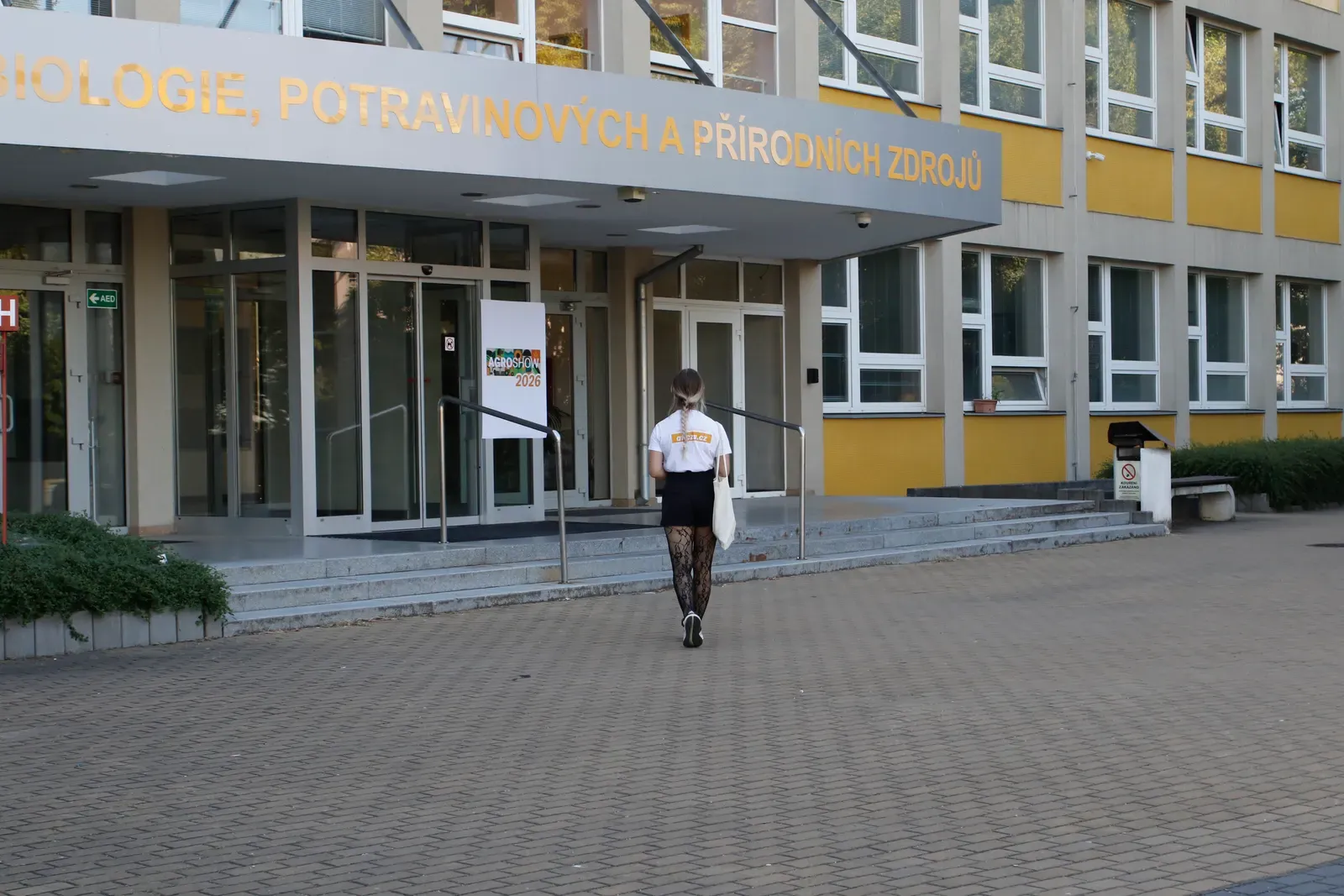
Halls of residence and canteen
Housing at CZU, how to apply for a room and where to eat.
CZU Library
Study spaces, textbooks and a quiet place between lectures.
Physical education and sport
Sports courses and facilities of the university.
Study at CZU
The university portal for international applicants.
Admission 2027/2028
I want to apply.
Admission for the academic year 2027/2028, starting in September 2027. You need completed secondary education and must pass the admission procedure of the faculty.
Applications are open
15 September 2026
to 15 January 2027
Submit your online application and pay the CZK 850 fee for each programme by 15 January 2027. In the application, choose the Faculty of Agrobiology, Food and Natural Resources and the programme Sustainable Use of Natural Resources.
- 1
Apply online and pay the fee
The first round for the September 2027 intake runs from 15 September 2026 to 15 January 2027. Submit the online application and pay the non-refundable fee of CZK 850 for each programme by 15 January 2027.
How to submit your application ↗ - 2
Take the GAP test
Applicants are assessed through the General Academic Prerequisites test (GAP) run by Scio. Register with Scio at least 14 days before the test. Test dates: 22 October 2026, 5 November 2026 and 30 January 2027. Scio charges its own fee.
Admission process for bachelor’s programmes ↗GAP test dates and registration ↗ - 3
Results
Results are announced on 19 February 2027 in the university information system. Applicants with a GAP score of at least the 40th percentile may be admitted, in order of their score, until the programme is full. This programme admits up to 60 students.
- 4
After admission
Have your foreign secondary education recognised, pay the tuition fee by 31 August 2027 and, if you need a visa, apply for a long-term residence permit early. It can take three months or more.
After admission: recognition, tuition, housing, visa ↗
Dates according to the faculty page on admission to programmes taught in English. Admission procedure on af.czu.cz
Before you decide
What else do you need to know?
Is this programme for me?
The programme is suitable for you if you:
- are interested in the environment around you,
- like to know how agricultural production works and how it affects nature,
- feel there is a parallel need for both protection of nature and development of mankind,
- like creative work combining indoor and outdoor activities,
- like to learn how new technologies can be used to improve your environment.
What will I learn?
The programme gives you a strong knowledge of the studied topics and a strong theoretical background in specialised classes. Its main focus is the exploitation of natural resources tightly connected to food production, with soil and water as the key players.
A balanced combination of classes, excursions and practical training prepares you to work as a specialist in the exploitation and protection of natural resources. All teaching is in English.
Study plans of the English-taught programmes 2026/2027 (PDF) ↗Why sustainable use of natural resources?
The growing civilisation faces an extreme challenge regarding its sustainable development. Natural resources are under pressure which never happened before, and management of resources that serve mankind is highly needed. A failure in the proper use of natural resources means a future failure of civilisation. The programme teaches you how to manage the sustainable exploitation of natural resources together with the development of mankind.
Which projects can I get involved in?
Examples of completed or existing projects in which you can get involved:
- Mining and its impact on the environment in Sub-Saharan Africa. Mining of minerals is necessary despite increasing recycling, and countries such as Namibia, Zambia and Botswana are key producers. What is the impact on the environment in the vast mining areas? A team from several leading institutions in the Czech Republic and these countries is trying to answer this question.
- Change of soils in the last 50 years. Soils change as the climate does. The changes are not large, but they matter for soil management in food production and for water protection. The project compares different climatic regions and soil covers in Central Europe with data from a soil survey from the 1960s.
Who will teach me?
doc. Ing. Vít Penížek, Ph.D., programme guarantor. A soil scientist focusing on soil survey and mapping and on soil protection, especially against erosion. He has work experience from the Joint Research Centre of the EU and has taken part in many national and international projects. He teaches general soil science and the use of GIS in natural resources modelling and protection, and organises excursions and practical training. penizek@af.czu.cz
prof. Dr. Ing. Luboš Borůvka, a specialist in soil conservation and protection, forest soils and modern methods of soil properties sensing. He leads national and international projects, teaches soil protection, forest soils and statistical and geostatistical modelling of natural resources, and takes part in excursions. boruvka@af.czu.cz
Ing. Markéta Miháliková, Ph.D., a specialist in hydrology and soil physics with experience from many national and international projects. She teaches soil physics, soil and water relationships and soil survey, and has great experience with field classes and excursions. mihalikova@af.czu.cz
How do I apply?
The faculty runs a separate admission procedure for programmes taught in English. You apply online, pay the application fee and take the GAP test. If you have questions, write to the admissions coordinator Mgr. Šárka Panušková (iro@af.czu.cz).
How to apply, step by step ↗Admission procedure for programmes taught in English ↗Online application ↗There is a person on the other side
Ask us directly.
Applications, admission and enrolment
Mgr. Šárka Panušková Admissions coordinator
panuskova@af.czu.cz Your e-mail app will open.Questions from applicants Admissions to programmes taught in English
iro@af.czu.cz
Made up your mind?
See you in September.
Submit your online application and pay the CZK 850 fee for each programme by 15 January 2027. In the application, choose the Faculty of Agrobiology, Food and Natural Resources and the programme Sustainable Use of Natural Resources.