
saved only in this browser for a year
How food is made,
from farm to fork.
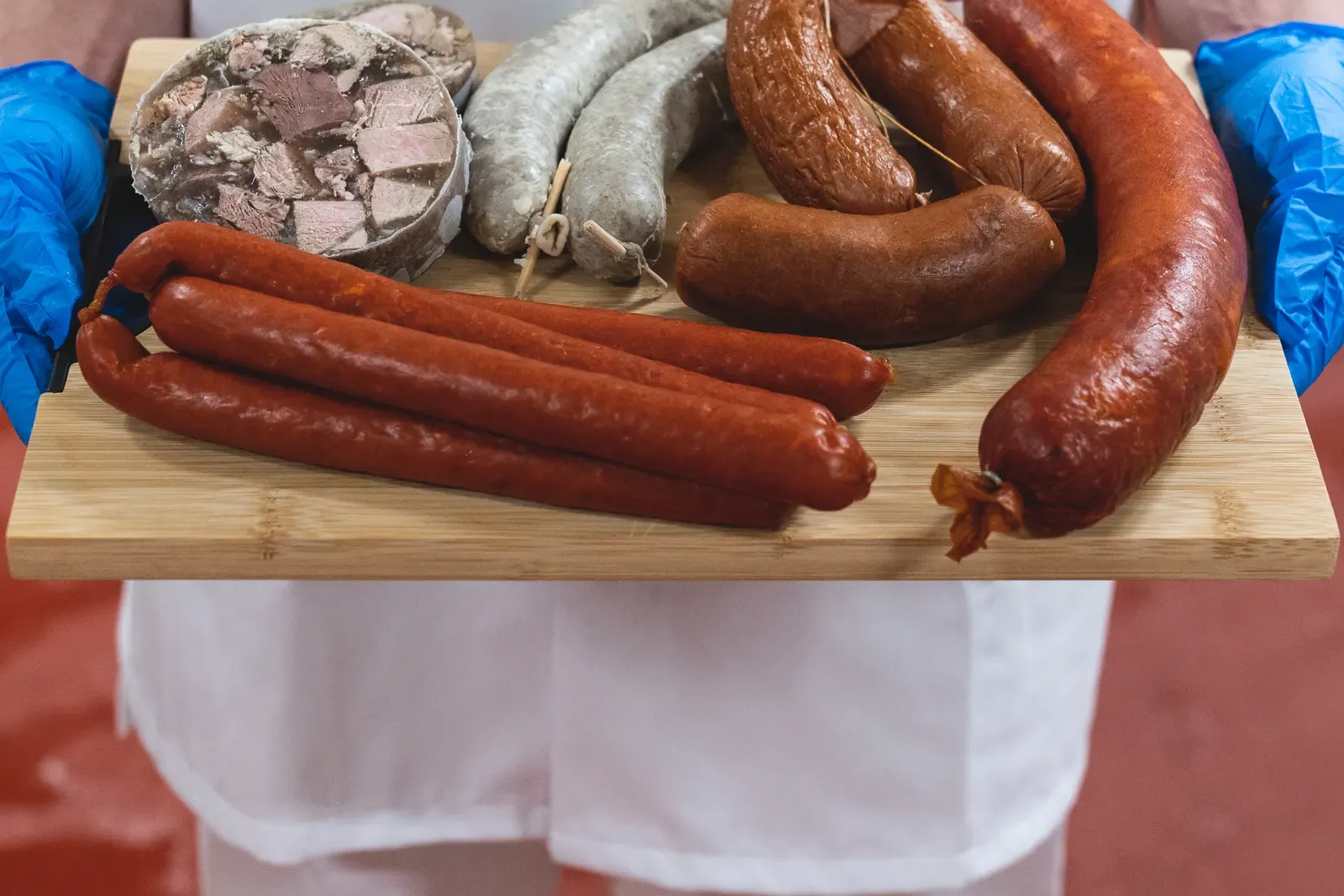
Agricultural practice, food quality and food technology.
A three-year bachelor's programme at CZU Prague, taught entirely in English.
Key facts
- Length
- 3 years · Bc.
- Form
- Full-time
- Language
- English
Prague-Suchdol Kamýcká 129, Prague 6
Nothing beats real experience
What is it really like?
A student and two graduates describe their studies. Quotes from the programme profile on the faculty website, published with consent.
From farm to fork
Play video ↗
Want to change life on Earth?
Play video ↗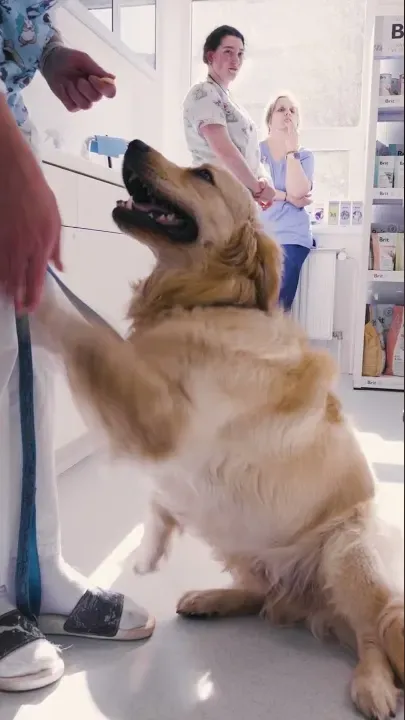
Study in Prague
Play video ↗
International summer school
Play video ↗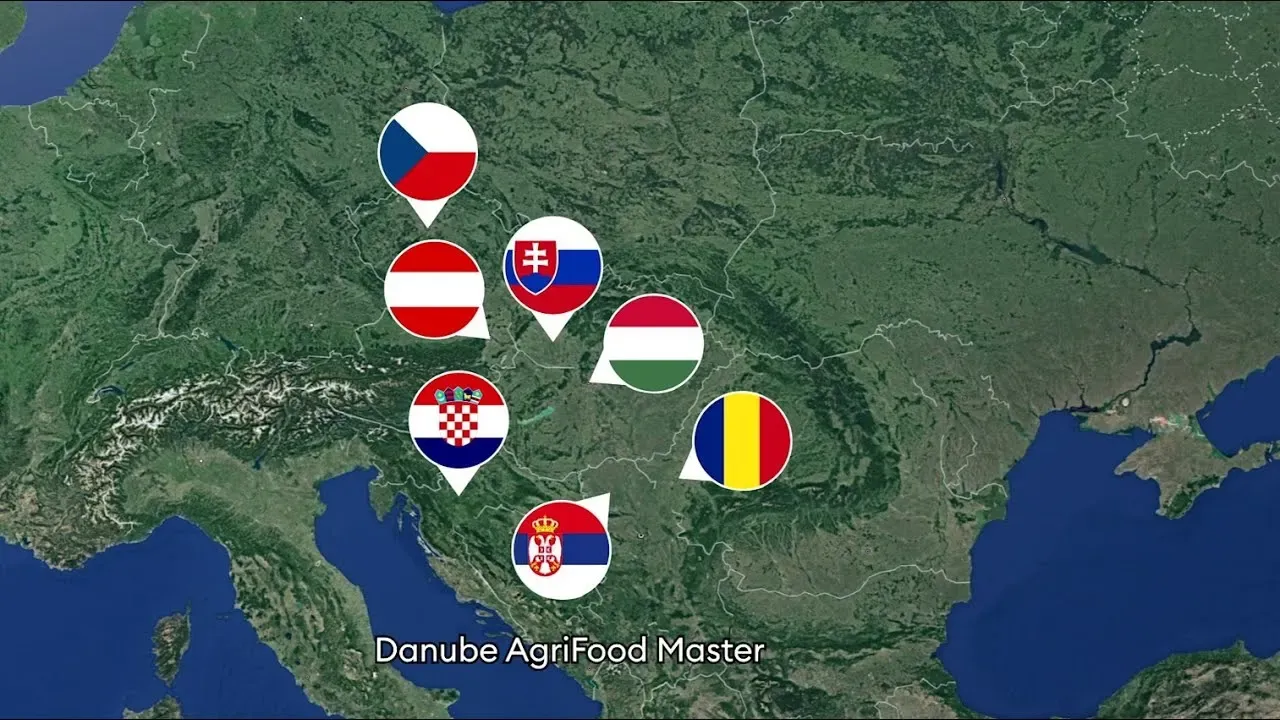
Danube AgriFood Master
Play video ↗Study experiences
“The faculty has very professional teaching and support staff, and of course world class equipment. Practical trainings in laboratories enable precise teaching and learning.”
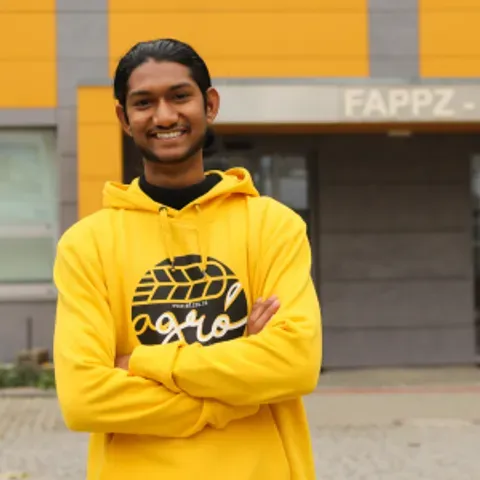 Kampan Sonistudent from India
“I chose to study a bachelor´s degree in Agriculture and Food because the programme provides a broad range of subjects from which I can choose those which fit my interests most. […] During my Bachelor's years, I witnessed huge changes throughout the campus in terms of sustainability and greenery.”
 Çandir Gizemgraduate from Turkey
“I do not work in the field of my study, however I've gained some soft skills that were important for my position such as time management, proactive thinking and a hands-on attitude. What I enjoyed most were the projects and research papers which were required in most classes.”
 Stella Lukstegraduate from Latvia
Opinions from the programme profile on af.czu.cz, shortened.
Courses and practice
What do three years of study look like?
This is how the courses follow each other in the published 2026/2027 study plan. The plan may change for the year you start.
You build the foundations.
Chemistry, botany, soil, microbiology and agricultural systems.
Year 1You get to know farm production.
Animal nutrition and husbandry, crop production, horticulture and economics.
Year 2You move on to food.
Technology and quality of dairy, plant and animal products.
Year 3
- Compulsory courses
- 32
- Chemistry and maths
- 6 %10 of 164 credits
All courses and credits
Study plan 2026/2027. Open the year you are interested in. The numbers next to the courses are credits. Click a course to see its description.
Year 1 · Science foundations
Winter semester
- Agricultural SystemsStudents will learn about system attributes of agricultural production5 credits
- Bachelor Seminar2 credits
- Inorganic and Analytical ChemistryThe goal of this subject is to enlarge basic knowledge from the grammar school in General, Inorganic and…5 credits
- Methods of Calculation5 credits
- Plant PhysiologyThe first aim of this subject is a knowledge of theoretical principles of plants and stand productivity5 credits
- Start up module1 credits
- ZoologyIn selected groups of the Animal Kingdom are stressed the general features, morphology, locomotion, feeding…5 credits
Summer semester
- Agricultural Machinery6 credits
- BotanyThe introduction sections explain cytology (plant cell structure on the level of electron-microscopy,…5 credits
- Fundamentals of AgroecologyThe main aim of the study of this subject is to understand complex processes in agroecosystems on high…5 credits
- General MicrobiologyThe aim of the subject is to explain the function of microorganisms in the environment, the influence of…5 credits
- Organic ChemistryThe aim of the subject is acquisition of knowledge about structure, properties and types of reactions of…5 credits
- Soil ScienceThe course gives knowledge on the role of the soil in ecosystem, on basic soil-forming processes5 credits
Year 2 · Plants, animals and economics
Winter semester
- Animal Nutrition5 credits
- AquacultureAquaculture is the fastest growing part of food production in the world, especially in tropical and…5 credits
- Biological Principles of Livestock Breeding5 credits
- Business EconomicsThe course describes, classifies and analyses processes within business entities5 credits
- Fundamentals of Plant ProtectionSubject Fundamentals of plant protection delivers students basic information about plant protection5 credits
Summer semester
- Animal Production and EnvironmentThe aim of the subject is to obtain knowledge in biological, economical, and environmental principles of…5 credits
- BSc. Thesis IThe students develop their bachelor thesis in accordance with the instructions given by thesis submission form4 credits
- Fundamentals of GeneticsThe main goal of the subject is to provide brief introduction into basic aspects of general genetics5 credits
- HorticultureThe subject is focused on the general principles of the horticultural production and their application in…5 credits
- Plant NutritionThe subject taught for bachelor students is focused on the understanding of the behavior of nutrients in the…5 credits
- Plant Production and EnvironmentThe aim of subject is characterization of agriculture and position of plant production in the czech, european…5 credits
Year 3 · Food technology and quality
Winter semester
- Food practice10 credits
- Food Storage and Preservation5 credits
- Food Technology and Processing of Plant Products5 credits
- Technology and Quality of Dairy Products5 credits
- Waste HandlingSubject provides the basic overview about waste and waste management5 credits
Summer semester
- Food Technology and Processing of Garden Products5 credits
- Fundamentals of Quality Control of Plant Products5 credits
- Quality and Processing of Animal Products5 credits
Whole year
The study plan gives Food practice in hours (240), not in days.
Based on the 2026/2027 study plan. Compulsory courses add up to 174 credits, with electives (6) you reach 180. Programme guarantor: doc. Ing. Jaroslav Havlík, Ph.D. Check the plan for the 2027/2028 intake with the faculty. Open the source plan (PDF) ↗
Careers and further study
Where can the programme take you?
You will have very flexible career opportunities in the food sector, both nationally and internationally. The programme gives you a solid knowledge background for your future career.

Governmental organisations
Positions in public authorities and government organisations.
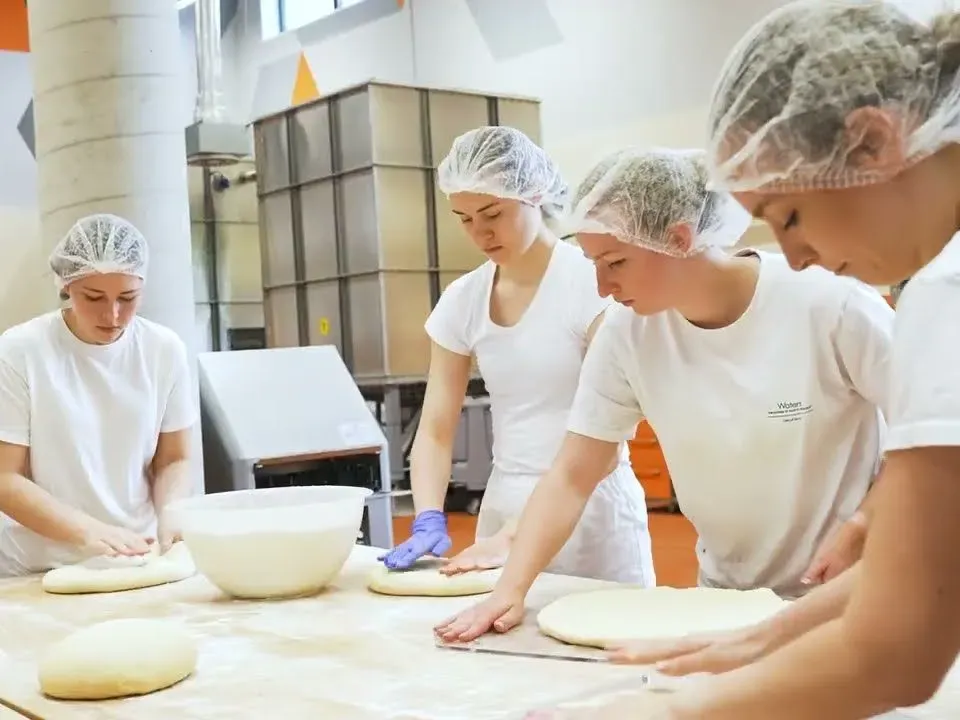
Food industry
Positions in the sectors of the food industry.
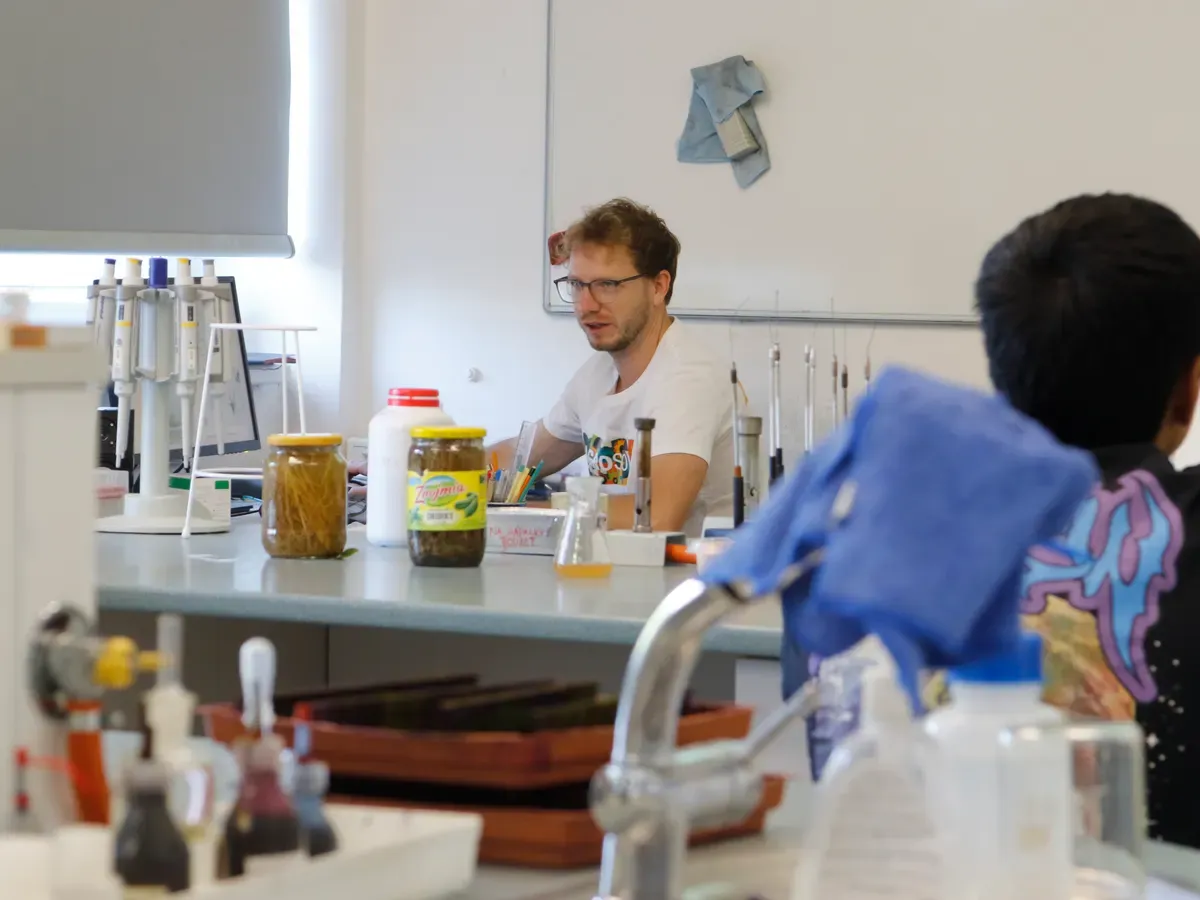
Small and medium-sized enterprises
Positions in SMEs and other organisations in the food and agricultural sector. Organic farming and changing consumer preferences open market opportunities for young organic farmers and innovative businesses.
Taught in English
International environment
The programme is taught in English in a friendly international environment, on a green university campus close to the historical city of Prague, a UNESCO site.
Study plan
Courses and credits
All courses of the programme are listed in the study plans of the English-taught programmes 2026/2027.
Study plans 2026/2027 (PDF) ↗Housing, facilities and Prague
What about life outside class?
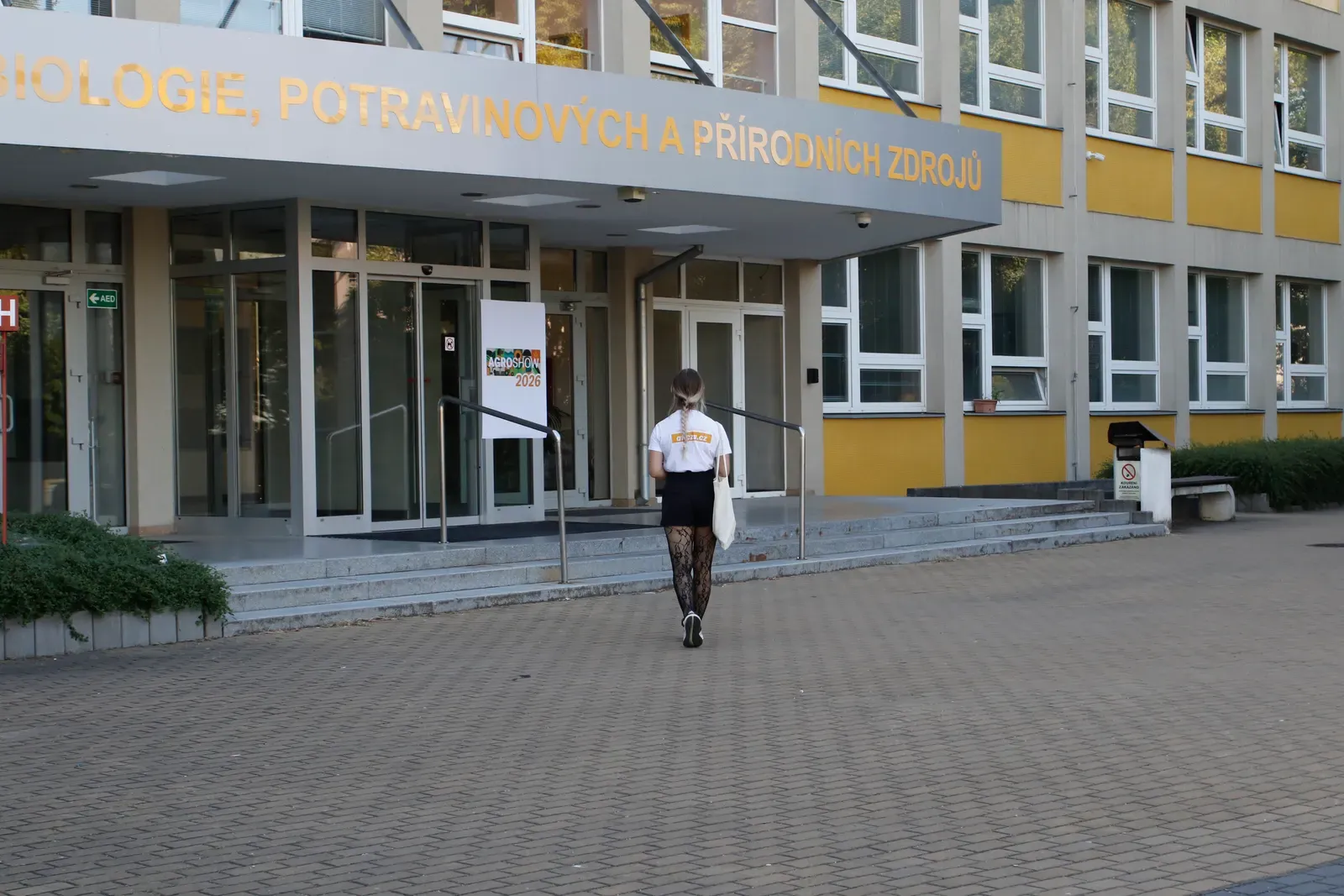
The campus in Prague-Suchdol is green and everything is within walking distance: halls of residence, the canteen, the library and sports grounds. The historical centre of Prague, a UNESCO site, is close by.
Halls of residence and canteen
Housing at CZU, how to apply for a room and where to eat.
CZU Library
Study spaces, textbooks and a quiet place between lectures.
Physical education and sport
Sports courses and facilities of the university.
Study at CZU
The university portal for international applicants.
Admission 2027/2028
I want to apply.
Admission for the academic year 2027/2028, starting in September 2027. You need completed secondary education and must pass the admission procedure of the faculty.
Applications are open
15 September 2026
to 15 January 2027
Submit your online application and pay the CZK 850 fee for each programme by 15 January 2027. In the application, choose the Faculty of Agrobiology, Food and Natural Resources and the programme Agriculture and Food.
- 1
Apply online and pay the fee
The first round for the September 2027 intake runs from 15 September 2026 to 15 January 2027. Submit the online application and pay the non-refundable fee of CZK 850 for each programme by 15 January 2027.
How to submit your application ↗ - 2
Take the GAP test
Applicants are assessed through the General Academic Prerequisites test (GAP) run by Scio. Register with Scio at least 14 days before the test. Test dates: 22 October 2026, 5 November 2026 and 30 January 2027. Scio charges its own fee.
Admission process for bachelor’s programmes ↗GAP test dates and registration ↗ - 3
Results
Results are announced on 19 February 2027 in the university information system. Applicants with a GAP score of at least the 40th percentile may be admitted, in order of their score, until the programme is full. This programme admits up to 75 students.
- 4
After admission
Have your foreign secondary education recognised, pay the tuition fee by 31 August 2027 and, if you need a visa, apply for a long-term residence permit early. It can take three months or more.
After admission: recognition, tuition, housing, visa ↗
Dates according to the faculty page on admission to programmes taught in English. Admission procedure on af.czu.cz
Before you decide
What else do you need to know?
Is this programme for me?
The programme is suitable for you if you:
- have a passion for the environment, biology and chemistry,
- want to know how our food is made from farm to fork,
- care about food quality and safety and want to know how our food is actually produced in the field and subsequently processed,
- want to have hands-on experience in food manufacturing and food analysis.
What will I learn?
You will learn about agricultural practices and what defines sustainable agriculture, and acquire knowledge in both plant and animal biology, nutritional needs, microbes around us, soil and the environment. The last year of your study is largely focused on food quality and technology.
You will take practical trainings in food manufacturing at the university's new food demonstration facilities and in well-equipped food analysis laboratories. All teaching is in English.
Study plans of the English-taught programmes 2026/2027 (PDF) ↗Why study agriculture and food?
Food production faces new challenges with higher consumer pressure on its quality and safety. Quality is not only determined by manufacturing, but also by agricultural practices. Overuse of pesticides, food additives and the high carbon footprint of current foods will be a challenge for future managers in the food sector and agribusiness. Organic farming and changing consumer preferences open market opportunities for young, enthusiastic organic farmers and innovative small and medium-sized enterprises. The choice is yours.
Which projects can I get involved in?
Examples of completed or existing projects in which you can get involved:
- Alternative plant protection with essential oils. Plants produce essential oils to protect themselves from pathogenic fungi or insects. Applied to crops at the right time, they offer a natural and environmentally friendly protection. The aim is to develop highly efficient organic biopesticides.
- Functional food formulations. One project develops new fermented functional drinks using honeybee bacteria. In another, students discover which forms of polyphenols are more easily digested and converted to bioactive forms in the human gut.
- Honey bee health. Healthy honeybees mean better pollination and higher crop yields. Research looks at honeybee immunity and the role of beneficial bacteria in their digestive tract.
- Carotenoids in modern wheat varieties. Scientists measure these beneficial compounds, precursors of vitamin A, in wheat to help select and breed varieties with a higher content.
Who will teach me?
doc. Ing. Jaroslav Havlík, Ph.D., programme guarantor. An associate professor specialising in food quality, analytical chemistry and nutrition-related metabolomics: diet and microbiome interactions, polyphenol metabolism and food safety analytics (NMR, LC-MS, GC-MS, in vitro gastrointestinal and microbiota models). He heads the Agronomics research group, has authored 100 peer-reviewed publications and teaches courses including Fundamentals of Quality of Plant-Based Products. havlik@af.czu.cz
Sandra Teresita Martín del Campo Barba, Ph.D. A food biotechnology researcher specialising in dairy science, protein functionality and the valorisation of food industry by-products: cheese ripening, bioactive peptides, whey protein processing and high-intensity ultrasound. She earned her doctorate through a joint programme of the Institut National Agronomique Paris-Grignon and the University of Guadalajara.
Theresa Ann Reinhardt Piskackova, Ph.D. An assistant professor researching weed ecology, integrated weed management and sustainable cropping systems. She leads courses on alternative and organic agriculture.
How do I apply?
The faculty runs a separate admission procedure for programmes taught in English. You apply online, pay the application fee and take the GAP test. If you have questions, write to the admissions coordinator Mgr. Šárka Panušková (iro@af.czu.cz).
How to apply, step by step ↗Admission procedure for programmes taught in English ↗Online application ↗There is a person on the other side
Ask us directly.
Applications, admission and enrolment
Mgr. Šárka Panušková Admissions coordinator
panuskova@af.czu.cz Your e-mail app will open.Questions from applicants Admissions to programmes taught in English
iro@af.czu.cz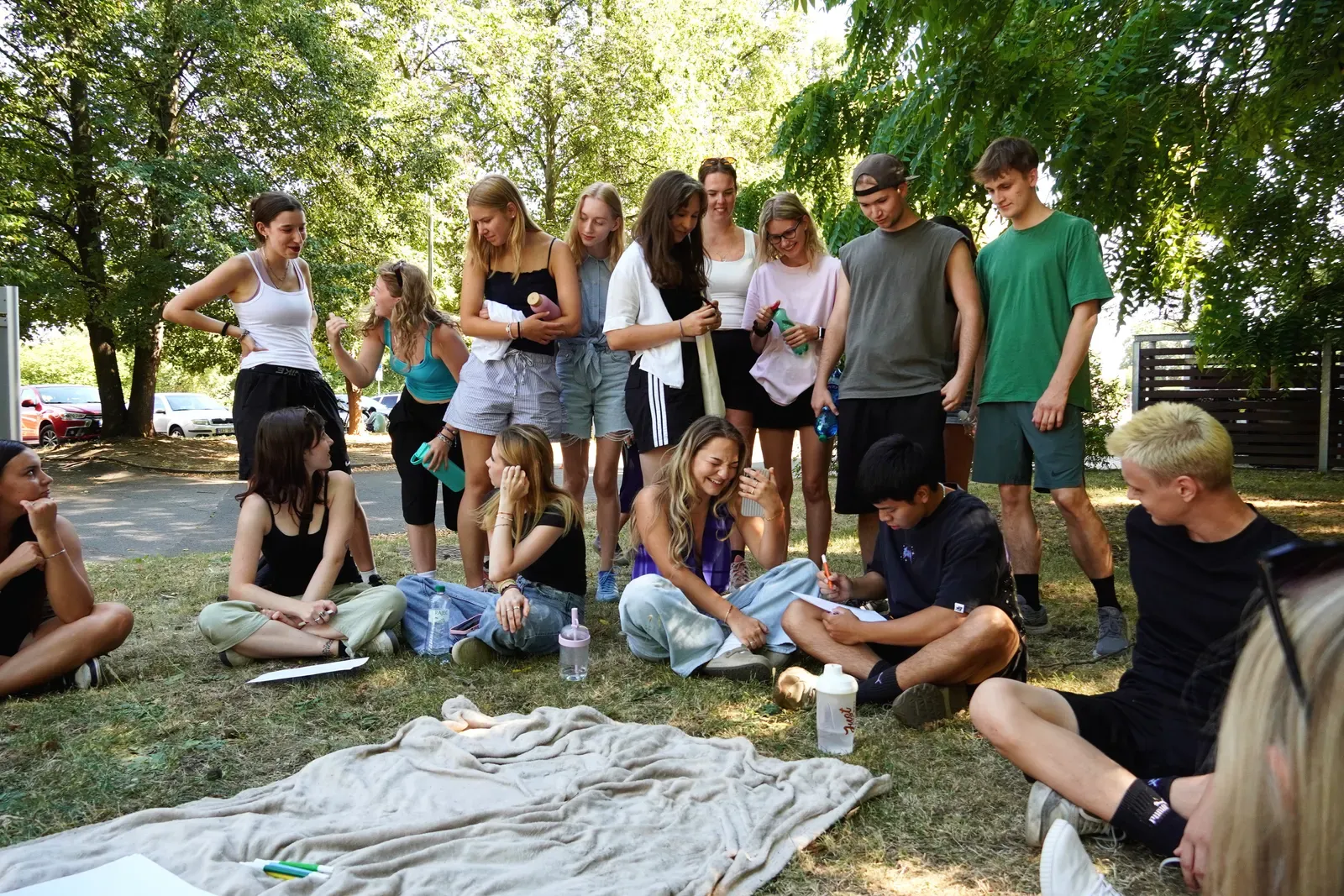
Made up your mind?
See you in September.
Submit your online application and pay the CZK 850 fee for each programme by 15 January 2027. In the application, choose the Faculty of Agrobiology, Food and Natural Resources and the programme Agriculture and Food.